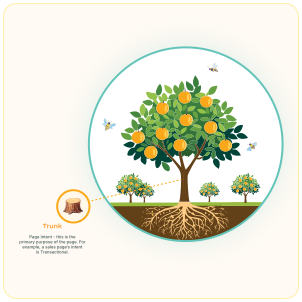
In practice, your trunk is a one-sentence purpose statement written in this format: "This page exists to help [WHO] [ACCOMPLISH WHAT]." That format forces you to name both the audience and the job. Without both, the purpose stays vague.
For a wedding photographer, the trunk of a packages page might be: "This page exists to help engaged couples compare our photography packages and choose the coverage that fits their wedding." For a makeup artist, the trunk of an FAQ article might be: "This page exists to help brides understand what happens during a bridal makeup trial so they feel prepared." Different pages, different jobs, one clear direction each.
Every page also has a dominant intent behind that purpose. There are four common types: informational (someone wants to learn or understand), navigational (someone needs to find their next destination), commercial (someone is evaluating a decision), and transactional (someone is ready to act). Naming the intent makes it easier to design every part of the page.
A service page, two ways
Same business. Same services. The only difference is whether the page has one clear job or five jobs fighting for space.
Clear Trunk
The page that converts
A dedicated page for wedding photography that helps engaged couples evaluate the specific service. Everything on it, headline, sections, testimonials, CTA, serves that one purpose.
When AI is asked to recommend a wedding photographer, it has a page it can actually point to. Purpose is legible. Recommendation follows.
Muddy Trunk
The page that gets missed
One giant service page trying to be about wedding photography AND newborn sessions AND portraits AND branding all at once. Different audiences, different needs, sections competing.
AI cannot tell what the page is primarily for. Neither can visitors. It might contain great work, but nothing on it signals a clear specialty.
One page, one job. That is the whole idea.