Why GEO Matters Now
The way people find businesses online has fundamentally changed. Today, more than 50% of consumers use AI chatbots to search for products, services, and information. Instead of scrolling through a list of blue links, they're asking questions and getting direct answers.
When someone asks ChatGPT "What's the best local bakery for wedding cakes?" or Perplexity "How do I optimize my website for AI search?", those AI systems pull from content they trust, understand, and can confidently cite.
How GEO Differs from Traditional SEO
Traditional SEO focused on keywords and backlinks. You optimized for specific search terms, built links from other sites, and hoped Google's algorithm ranked you on page one.
GEO takes a different approach. Instead of optimizing for keyword matching, you're optimizing for understanding. AI systems need to:
Extract
Clear, quotable information from your content
Trust
That your information is accurate and authoritative
Connect
Your content to the broader web of knowledge
Cite
You as a reliable source in their responses
This means your content needs to be structured with clarity, supported by proof, and connected through intentional internal and external links.
The Three Stages of AI Search
When an AI system answers a question, it moves through three stages:
Retrieval
The system searches across hundreds of potential sources, expanding the original question into dozens of related queries. Your content needs to be discoverable across these variations.
Reranking
A secondary model evaluates each potential source based on quality signals like content structure, citation quality, entity coverage, and freshness. Only the top 5-10 sources survive.
Synthesis
The AI generates a natural language response using the reranked sources, attributing information through citations. Your content either earns that citation or doesn't exist in the answer.
What Makes Content GEO-Ready
At Clemelopy, we use the Orchard Ecosystem Framework™ to make GEO tangible. Your website is like a clementine orchard, where each piece of content is a tree. When properly cultivated, they work together to create something AI can understand and recommend.
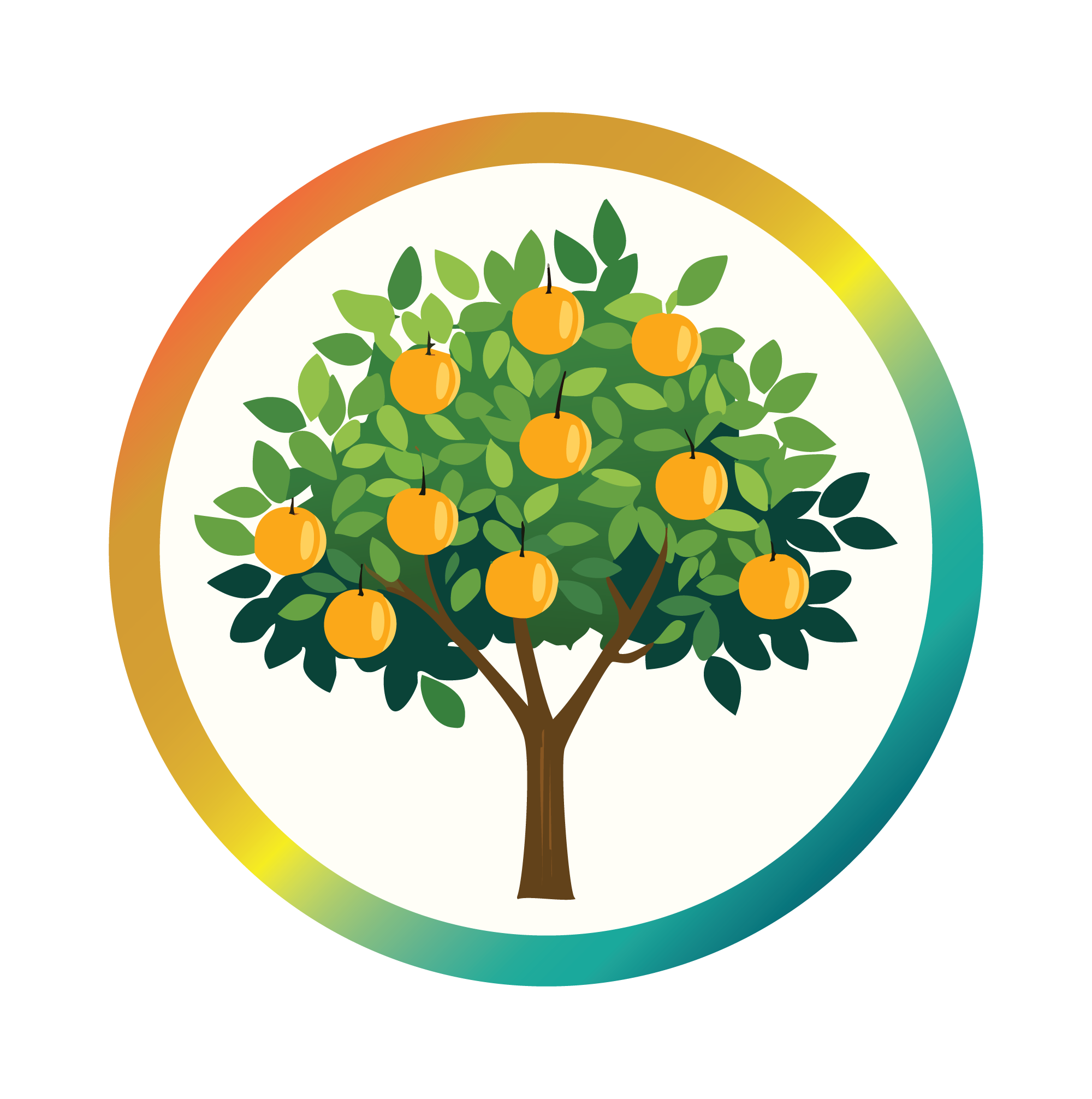
The Orchard Ecosystem Framework™
The framework includes:
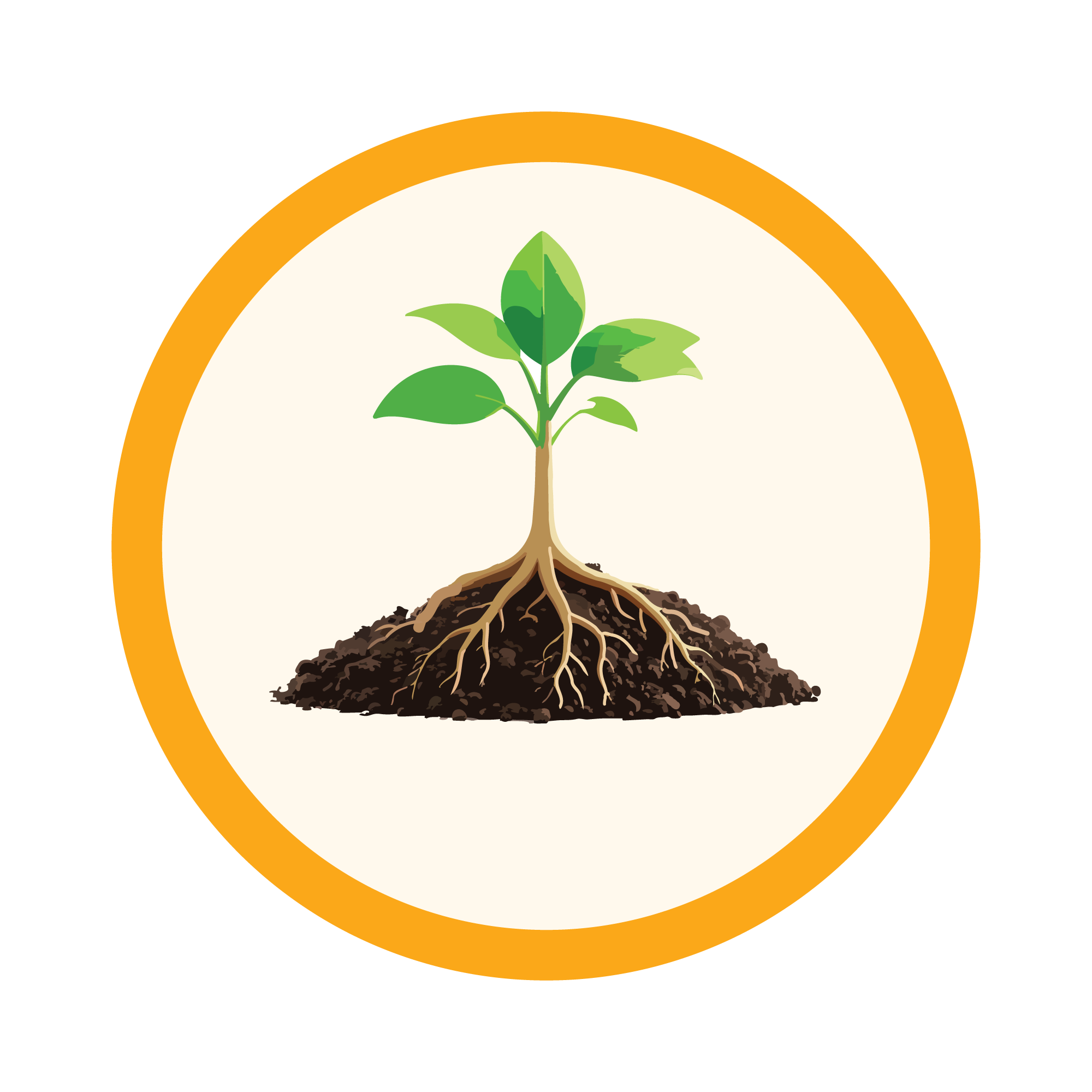
Roots
Canonical PillarsThe foundational topics your expertise grows from
Soil
Anchor TextConsistent language that nourishes your content ecosystem

Trunk
Page IntentThe clear, central purpose of each page
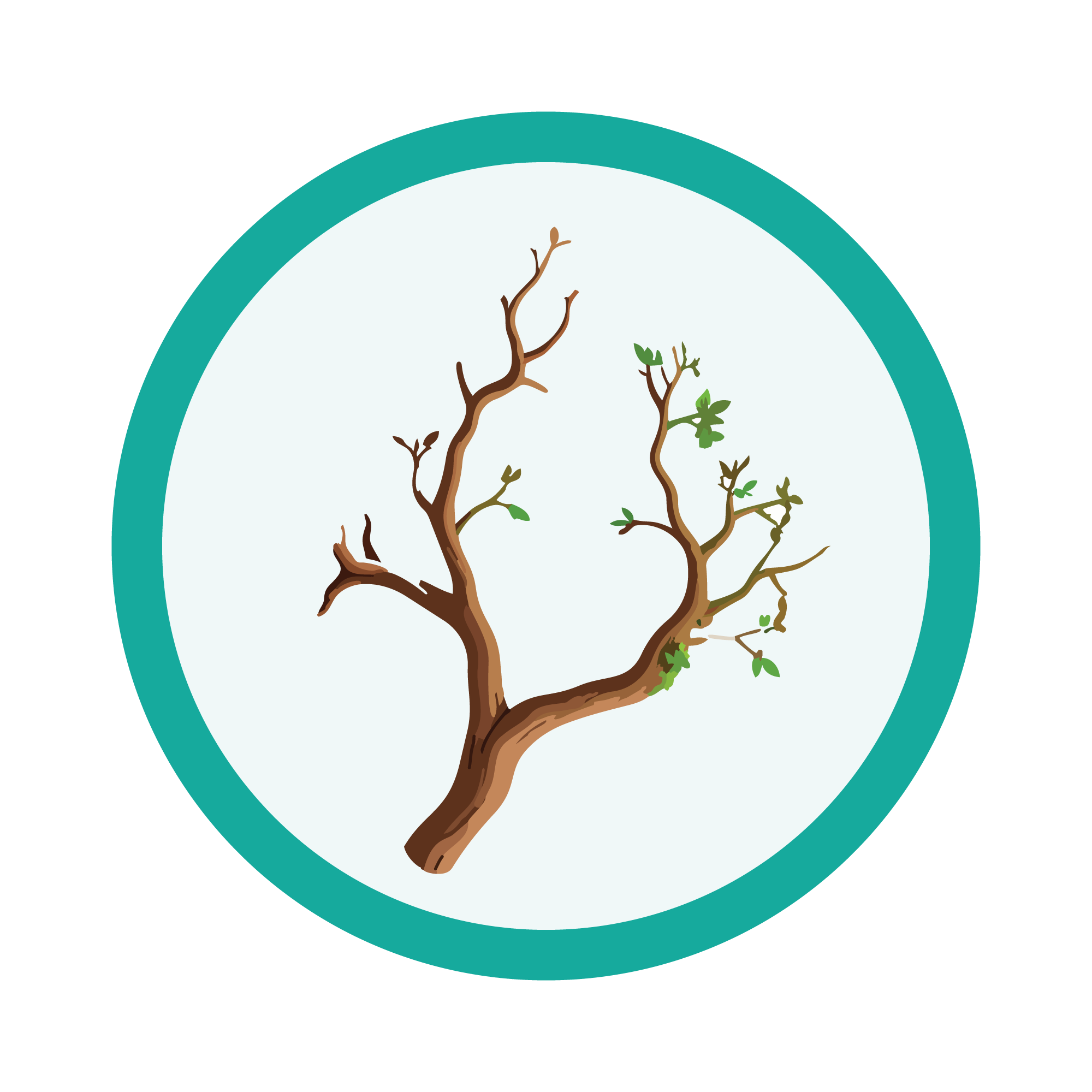
Branches
Supporting TopicsRelated content that extends from your main ideas

Leaves
Clarity SignalsStructure that makes content scannable—headings, schema, formatting

Fruit
Proof & OutcomesEvidence that your expertise delivers—case studies, testimonials
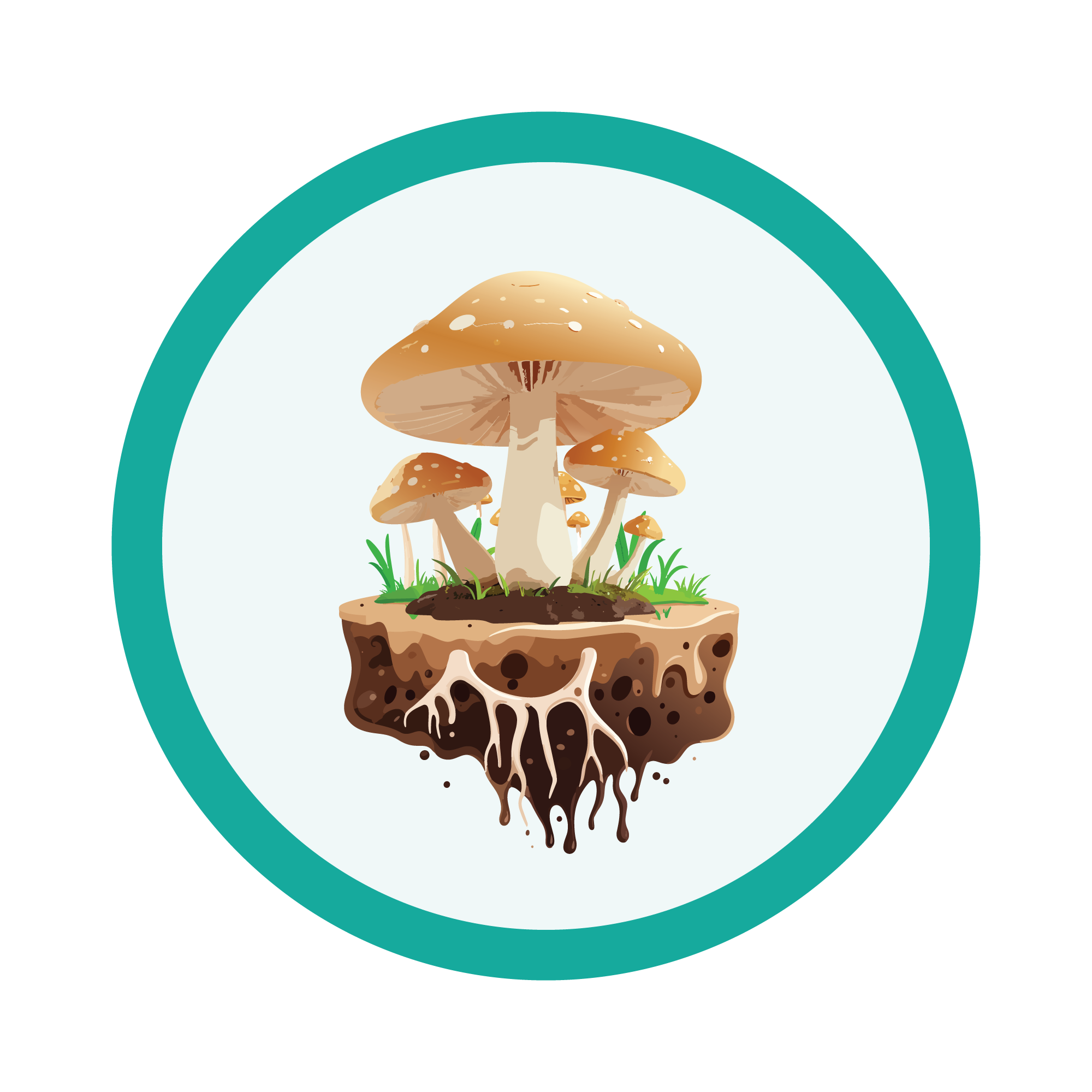
Underground Network
Internal LinksConnections between pages that share authority

Pollinators
External AuthorityOutside sources that bring credibility

Cultivation
Maintenance RhythmRegular care and updates that keep your content ecosystem thriving
Getting Started with GEO
You don't need to overhaul everything at once. Start with your most important pages—the ones that represent your core expertise and serve your most valuable audiences.
Clarity
Can AI systems easily extract the main point from your page?
Proof
Do you back up your claims with evidence AI can cite?
Connections
Are your pages linked in a way that shows how your expertise relates?
Frequently Asked Questions
1Is GEO replacing SEO?
GEO complements traditional SEO rather than replacing it. The technical foundations of SEO—site speed, crawlability, HTTPS—remain valuable. What changes is the optimization lens: instead of just focusing on rankings and clicks, you're also structuring content for extraction, optimizing for citations, and measuring success by mentions rather than just traffic.
2Which AI platforms should I optimize for?
The major platforms include ChatGPT (OpenAI), Perplexity, Google AI Overviews, Claude (Anthropic), Gemini, and Copilot. Rather than optimizing for each individually, focus on the fundamentals that work across all of them: clear content structure, authoritative sources, comprehensive topic coverage, and strong E-E-A-T signals.
3How long does it take to see GEO results?
Most businesses implementing comprehensive GEO strategies see measurable improvements within 90 days, with significant competitive advantages becoming apparent within six months. The key is consistent optimization and tracking rather than expecting overnight changes.
4Do I need special tools for GEO?
You can start with basic tools you likely already have. Clemelopy helps small businesses implement GEO without technical expertise through guided frameworks like the Orchard Builder. For tracking citations, you can manually test queries across AI platforms or use emerging tools designed specifically for GEO measurement.
5What's the most important thing to focus on first?
Start with content clarity. Make sure your most important pages have clear headlines, answer questions directly in the first paragraph, and include supporting details in a logical structure. If AI systems can't easily understand what your page is about, nothing else matters.